

The Power of Lymphatic Drainage: Why It’s Essential for Your Health
Your lymphatic system is your body’s natural detox powerhouse, working quietly behind the scenes to remove waste, toxins, and excess fluid. Unlike the circulatory system, which has the heart to pump blood, the lymphatic system relies on movement to keep things flowing […]

The Power of Protein: fueling your workout and recovery
When it comes to achieving your health and fitness goals, one nutrient stands out as a true powerhouse. Protein.Whether you’re hitting the gym, going for a run, or engaging in another form of exercise, incorporating the right amount of protein into your diet is crucial for both performance and recovery […]

Simple VS Complex Carbs: what fuels you best?
The importance of carbs and understanding the difference between simple and complex carbs. Carbohydrates, or carbs, are one of the main sources of energy for our bodies. They come in two main types[…]
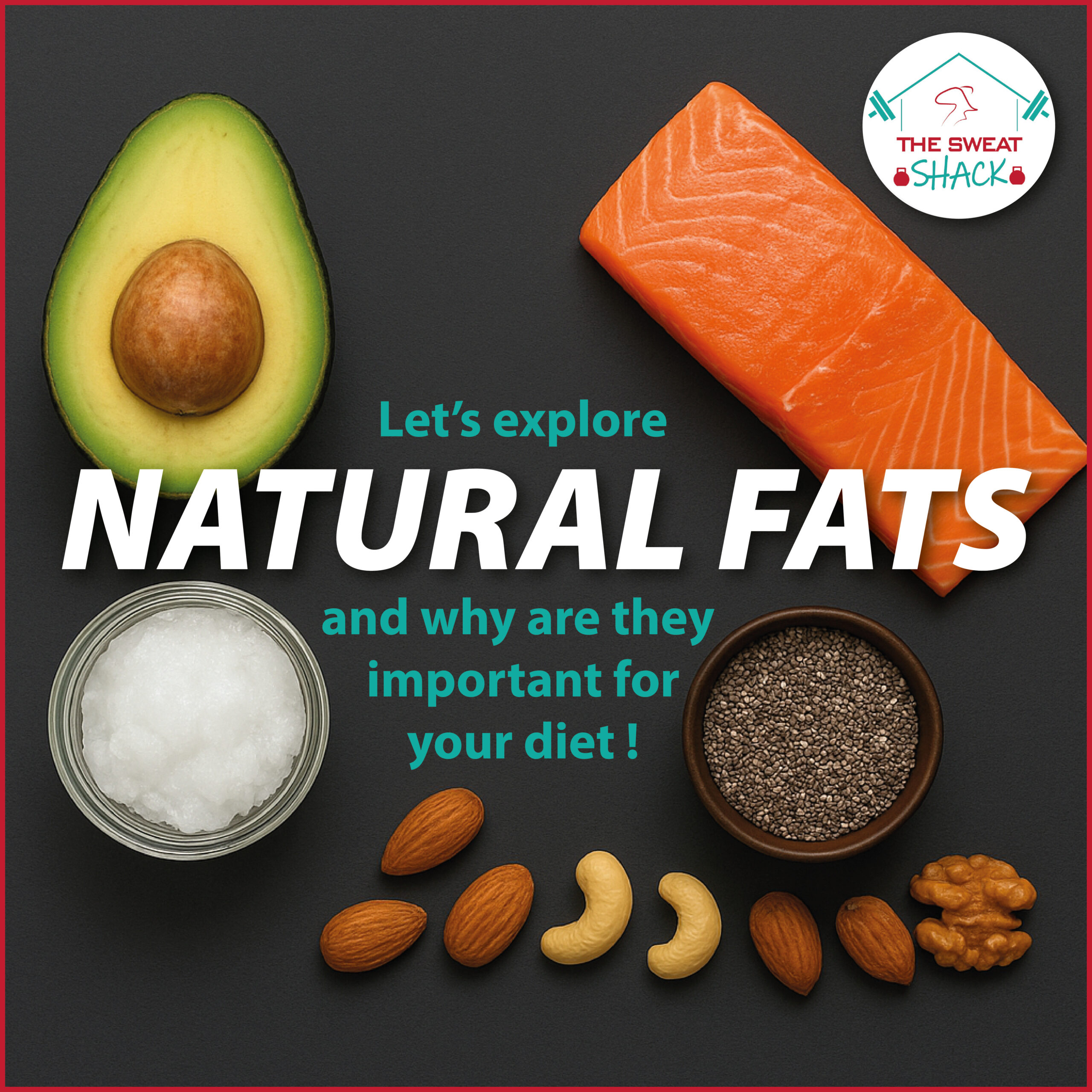
The Importance of Natural Fats in Your Diet
Many people associate fats with unhealthy eating, but the truth is, natural fats are essential for your health and well-being.
Let’s explore why you need them[…]

The Power of Macros: Why Getting the Right Balance in Your Diet Matters
Macros (or macronutrients) are the building blocks of your diet – think, carbohydrates, proteins, and fats. Macros provide energy and support vital bodily functions, and getting the right amount of each can transform your health, energy levels, and even your mood. Let’s break it down and explore why finding your macro sweet spot is key to thriving[…]
The Power of Macros: Why Getting the Right Balance in Your Diet Matters
Macros (or macronutrients) are the building blocks of your diet – think, carbohydrates, proteins, and fats. Macros provide energy and support vital bodily functions, and getting the right amount of each can transform your health, energy levels, and even your mood. Let’s break it down and explore why finding your macro sweet spot is key to thriving[…]
Why Strength Training Becomes Essential for Women in Perimenopause and Menopause
As women move into their 40s and beyond, the body begins a natural transition. Perimenopause and menopause bring hormonal shifts, especially a drop in estrogen, that affect far more than hot flashes and sleep.
One of the most significant changes is the gradual loss of muscle mass and bone density. Without intentional effort, this can lead to reduced strength, a slower metabolism, joint discomfort, and a higher risk of falls or fractures later in life.
Strength training is one of the most effective ways to counter these changes.
What Happens to Muscle and Bone
Estrogen plays a protective role in maintaining muscle and bone. When levels decline, the body tends to lose lean muscle more quickly and bone density can decrease. This process, sometimes called sarcopenia when it involves muscle, is not inevitable.
Resistance training sends a clear signal to the body to keep, and even rebuild, muscle tissue. It also places healthy stress on bones, which stimulates them to stay denser and stronger.
Key Benefits of Strength Training
- Preserves and builds muscle: More muscle means better strength for daily activities — carrying shopping, climbing stairs, playing with children or grandchildren, and simply moving with ease.
- Supports bone health: Weight-bearing and resistance exercises help reduce the risk of osteoporosis and fractures.
- Boosts metabolism: Muscle tissue burns more energy at rest than fat tissue. Maintaining muscle helps counteract the metabolic slowdown many women notice in perimenopause and menopause.
- Improves balance, posture and joint stability: Stronger muscles around the hips, core and shoulders reduce injury risk and ease aches that can appear with age.
- Supports mood, energy and sleep: Regular strength work can improve how you feel day-to-day, partly through better hormone regulation and the natural endorphin release that comes with training.
- Enhances insulin sensitivity: This helps the body manage blood sugar more effectively, which becomes increasingly important as we age.
- These benefits compound over time. Women who strength train consistently often report feeling more capable, confident and resilient in their bodies.
How to Approach Strength Training
You do not need complicated programmes or heavy gym equipment to begin. Two to three sessions per week is enough for most people to see meaningful progress. Focus on major movement patterns: squats or sit-to-stands, hip hinges (such as deadlift variations), pushing movements (presses or push-ups), pulling movements (rows), and core work.
Start with lighter weights or bodyweight and prioritise good form. Progress gradually by adding small amounts of weight, extra repetitions, or more challenging variations as you get stronger. This principle, called progressive overload, is what drives results.
Consistency matters more than intensity at the beginning.
Many women worry that lifting weights will make them bulky. In reality, the hormonal environment of midlife makes significant muscle bulk unlikely. What most women experience is a firmer, stronger, more defined physique along with improved function.
If you have existing health conditions, joint concerns or are new to exercise, speaking with a doctor or qualified trainer can help you start safely.
Proper technique and recovery (including adequate protein and sleep) make the process more effective and sustainable.
The Long View
Strength training is not a short-term fix — nor should it be. It is a long-term investment in independence and quality of life. The ability to get up from the floor easily, carry your own bags, maintain balance, and stay active into later decades is powerfully linked to the muscle you keep and build now.
Starting at any age brings benefits.
Whether you are in early perimenopause or well into post-menopause, your body remains responsive to the right kind of stimulus. The earlier you begin, the more muscle and bone you can preserve.
The later you begin, the more you can still regain.
Strength training gives women a practical way to work with the changes of midlife rather than simply accepting them. It is one of the most empowering habits you can build — for both how you feel today, and how capable you will remain tomorrow.
The Power of Macros: Why Getting the Right Balance in Your Diet Matters
When it comes to eating well, you’ve probably heard the word, “macros” being thrown around, but what is it, and why should you care about balancing them?
Macros (or macronutrients) are the building blocks of your diet – think, carbohydrates, proteins, and fats. Macros provide energy and support vital bodily functions, and getting the right amount of each can transform your health, energy levels, and even your mood.
Let’s break it down and explore why finding your macro sweet spot is key to thriving.
What are macros, and why do they matter?
Macronutrients are the nutrients your body needs in large amounts to function optimally:
- Carbohydrates: Are your body’s primary energy source and are found in foods like whole grains, fruits, and vegetables. Carbs fuel your brain, muscles, and daily activities.
- Proteins, are the building blocks for muscles, tissues, and enzymes, they repair and rebuild your body. Think lean meats, eggs, beans, and dairy.
- Fats: Essential for hormone production, nutrient absorption, and long-lasting energy. Avocados, nuts, olive oil, and fatty fish are great sources.
Each macro plays a unique role, and the right balance supports weight management, muscle growth, and overall wellness. Too much or too little of any can throw your body off-kilter, leading to fatigue, cravings, or even health issues .
The benefits of balanced macros
- Sustained energy: Carbs provide quick energy, while fats and proteins offer staying power. A balanced plate prevents energy crashes and keeps you fueled all day.
- Muscle maintenance and growth: Protein is crucial for repairing muscles after exercise, while carbs replenish energy stores, helping you recover faster.
- Hormone and mood regulation: Fats support hormone production, which influences everything from stress response to mood. A low-fat diet might leave you feeling sluggish or irritable.
- Weight management: Balancing macros helps control hunger and prevents overeating. For example, protein and fats are more satiating than carbs alone, reducing cravings.
- Better overall health: A macro-balanced diet supports heart health, brain function, and a strong immune system, setting you up for long-term vitality.
How much of each macro do you need?
There’s no one-size-fits-all when it comes to macro ratio —, t all depends on your goals, activity level, and body. However, a general guideline for a balanced diet is:
- Carbohydrates: 45-65% of daily calories. Active people may need more; sedentary folks may lean toward the lower end.
- Proteins: 10-35% of daily calories. Aim for 0.8-1.2 grams of protein per kilogram of body weight daily, or more if you’re active or building muscle.
- Fats: 20-35% of daily calories. Focus on healthy fats from whole foods, limiting processed trans fats.
For example, on a 2,000-calorie diet, you might aim for:
- 225-325g carbs (900-1,300 calories)
- 50-175g protein (200-700 calories)
- 44-78g fat (400-700 calories)
Apps like MyFitnessPal or a chat with a dietitian can help you personalise your macro targets based on your lifestyle.
Tips for balancing your macros
- Plan your plate: Fill half your plate with veggies (carbs), a quarter with lean protein, and a quarter with healthy fats (like a drizzle of olive oil or a slice of avocado).
- Choose whole foods: Opt for complex carbs (quinoa, sweet potatoes), lean proteins (chicken, tofu), and nutrient-dense fats (nuts, seeds) over processed options.
- Listen to your body: Feeling sluggish? You might need more carbs. Hungry soon after eating? Up your protein or fat intake.
- Track (but don’t obsess): Use a food diary for a week to see where your macros stand, then tweak as needed.
- Stayflexible: Life happens! A balanced diet allows for treats—just keep portions in check to maintain your macro harmony.
Common macro mistakes to avoid
- Cutting carbs too low: Extreme low-carb diets can sap energy and mess with your mood. Include fiber-rich carbs for gut health and sustained fuel.
- Skimping on fats: Fats aren’t the enemy! Too little can disrupt hormones and leave you hungry.
- Overloading on protein: More isn’t always better—excess protein can strain kidneys and crowd out other macros.
Final thoughts: macros are your allies
Balancing macros isn’t about rigid rules or deprivation—it’s about fueling your body to feel your best. By prioritising whole foods and tuning into your body’s needs, you can create a sustainable eating plan that supports your goals, whether that’s more energy, better workouts, or simply feeling great. Start small: tweak one meal, track your macros for a day, or swap processed snacks for nutrient-dense options. Your body will thank you for finding that macro magic!
The Importance of Natural Fats in Your Diet
Hello, fitness family! Today, we’re diving into a topic that often gets a bad rap: natural fats.
Many people associate fats with unhealthy eating, but the truth is, natural fats are essential for your health and well-being.
Let’s explore why you need them, some examples of healthy fats, and how much you should be aiming for daily.
Why Are Natural Fats Important?
- Energy Source: Fats are a concentrated source of energy. One gram of fat provides 9 calories, making it an efficient fuel source for your body, especially during low-intensity exercises.
Nutrient Absorption: Many vitamins (A, D, E, and K) are fat-soluble, meaning your body needs fats to absorb them effectively. Including healthy fats in your diet helps you get the most from your food.
Brain Health: Your brain is about 60% fat! Healthy fats support brain function, memory, and overall cognitive health. Omega-3 fatty acids, in particular, are known for their brain-boosting benefits.
Hormone Production: Fats play a vital role in producing hormones, which help regulate various bodily functions. This is especially important for women as hormonal balance can affect many aspects of health. - Satiety: Fats can help you feel fuller for longer, which can be beneficial in maintaining a healthy weight and curbing unhealthy cravings.
Examples of Healthy Natural Fats
Here are some excellent sources of natural fats you can easily include in your diet:
- Avocados: Packed with monounsaturated fats, they’re great for salads, smoothies, or even just as a snack.
Nuts and Seeds: Almonds, walnuts, chia seeds, and flaxseeds are full of healthy fats, fiber, and protein. - Olive Oil: A staple in Mediterranean diets, it’s rich in monounsaturated fats and perfect for dressings or cooking.
Fatty Fish: Salmon, mackerel, and sardines are high in omega-3 fatty acids, which are great for heart and brain health. - Coconut Oil: This can be used for cooking or baking, containing medium-chain triglycerides (MCTs) that can provide quick energy.
How Much Natural Fat Do You Need?
The Dietary Guidelines for Americans[a] suggest that around 20-35% of your total daily calories should come from fats. For most people, that translates to about 44 to 78 grams of fat per day, depending on your overall caloric intake and individual needs.
Tips for Incorporating Healthy Fats:
- Start your day with a smoothie that includes avocado or a spoonful of nut butter.
- Use olive oil for cooking or drizzling over vegetables.
- Add a handful of nuts or seeds to your salads or yogurt for extra crunch and nutrition.
- Try to choose whole food sources of fats over processed fats (like margarine or fried foods) for maximum health benefits.
In conclusion, don’t shy away from fats—embrace them! Including healthy, natural fats in your diet can improve your overall health, support your fitness goals, and keep you feeling satiated and energized. As always, listen to your body and consult with a nutritionist if you have any specific dietary concerns.
Stay healthy and happy!
Simple Vs Complex Carbs: what fuels you best ?
The importance of carbs and understanding the difference between simple and complex carbs
Carbohydrates, or carbs, are one of the main sources of energy for our bodies. They come in two main types: simple carbs and complex carbs, each with distinct roles in our diets.
Simple Carbs are sugars that are quickly absorbed by the body. They provide a quick burst of energy, which is why you might feel an energy boost after eating sweets or sugary snacks. The downside is that this energy can drop just as quickly, leaving you feeling tired or hungry again after a short while. Foods like sweets, fizzy cold drinks, and baked goods (think doughnuts) often contain simple carbs – enjoy these in moderation.
Complex Carbs, on the other hand, are made up of longer chains of sugar molecules. These carbs take longer to break down and provide a more steady and lasting energy supply. They are found in whole grains, vegetables, and legumes, and they also contain important nutrients and fiber that help keep your digestive system healthy. Eating complex carbs can help you feel full for longer, making them a better choice for sustained energy throughout the day.
The bottom line is that carbs are your body’s fuel. Not all fuel is created equal. Go for complex carbs to power through your day, and treat those simple carbs as an occasional treat. Your energy levels (and your stomach) will thank you!
The Power of Protein: fueling your workout and recovery
When it comes to achieving your health and fitness goals, one nutrient stands out as a true powerhouse. Protein.
Whether you’re hitting the gym, going for a run, or engaging in another form of exercise, incorporating the right amount of protein into your diet is crucial for both performance and recovery.
Why protein matters during exercise
During physical activity, your muscles undergo stress and tiny tears, which is a normal part of getting stronger and protein plays a vital role in repairing and rebuilding these muscles.
When you consume protein before or after your workout, you provide your body with the essential amino acids it needs to create new muscle tissue and enhance strength.
The benefits of post-workout protein
There are a number of reasons why post-workout protein is important, notably muscle repair; increased muscle growth, better recovery and sustained energy.
- Muscle repair: After a workout, your muscles need protein to repair themselves. This process helps reduce soreness and allows you to get back to your routine quicker.
- Increased muscle growth: Consuming protein after exercise stimulates muscle protein synthesis, leading to greater muscle growth over time. This is especially important for those looking to build muscle mass.
- Better recovery: Adequate protein intake can improve your overall recovery time, helping you feel refreshed and ready for your next workout.
- Sustained energy: Protein helps stabilise your blood sugar levels, keeping your energy steady throughout the day. This means you’ll feel more energised during your workouts and beyond.
How Much Protein Do You Need?
While needs vary, a good rule of thumb is to consume about 10-20 grams of protein within 30 minutes after exercising. Great sources include:
- Lean meats (chicken, turkey)
- Fish
- Eggs
- Dairy products (Greek yogurt, cottage cheese)
- Plant-based options (tofu, legumes, quinoa)
Incorporating protein into your pre and post-workout meals can make a significant difference in your performance and recovery. So, next time you plan your workout, don’t forget to give protein its due credit. It’s the secret ingredient to achieving your health and fitness aspirations!
Remember, your body is your temple, and protein is one of the key building blocks to keep it strong and healthy.
ADDITIONAL INFORMATION:
Proteins are made up of building blocks called amino acids.
A complete protein contains all nine essential amino acids that our body can’t produce on its own. These are typically found in animal-based foods like meat, eggs, and dairy, as well as in plant-based sources like quinoa, soy, and chia seeds. See Table 1- Protein reference chart.
An incomplete protein is missing one or more of these essential amino acids. Most plant-based foods, like beans, nuts, and grains, fall into this category. However, by combining different incomplete proteins (like rice and beans) a complete protein, can be created.
See Table 2 for what incomplete proteins can be combined together to create a complete protein.
Eating enough complete proteins is important because they provide all the essential amino acids your body needs to build and repair tissues, make enzymes and hormones, and keep your immune system strong. Since your body can’t produce these amino acids on its own, you need to get them from your diet to stay healthy and energised.
Here’s to nourishing your body, mind, and soul—one healthy choice at a time!

TABLE 1.1

TABLE 1.2

TABLE 2
Source: Nutritional Institute of South Africa
The Power of Lymphatic Drainage: Why It’s Essential for Your Health
Our lymphatic system is your body’s natural detox powerhouse, working quietly behind the scenes to remove waste, toxins, and excess fluid. Unlike the circulatory system, which has the heart to pump blood, the lymphatic system relies on movement to keep things flowing. When stagnant, it can lead to bloating, fatigue, and a weakened immune system.
At The Sweat Shack, we understand the importance of a healthy lymphatic system, which is why we offer a Lymphatic Drainage Workshop designed to educate and empower you. This workshop includes:
✅ A 30-minute rebound session – gentle bouncing on a trampoline to stimulate lymphatic flow
✅ Learning what the lymphatic system is and why it needs to be drained
✅ Understanding how rebounding supports manual lymphatic drainage
✅ Discovering the benefits of lymphatic massage
✅ Learning self-drainage techniques to clear toxins through massage
✅ Practical home care tips to keep your lymphatic system in top shape
By improving your lymphatic drainage, you can boost immunity, reduce swelling, improve circulation, and support overall well-being. If you’re ready to feel lighter, healthier, and more energized, join us at The Sweat Shack for our transformative workshop!
Stay moving. Stay detoxed. Stay healthy! 🚀💦 #LymphaticHealth #Rebounding #SweatShackWellness

